
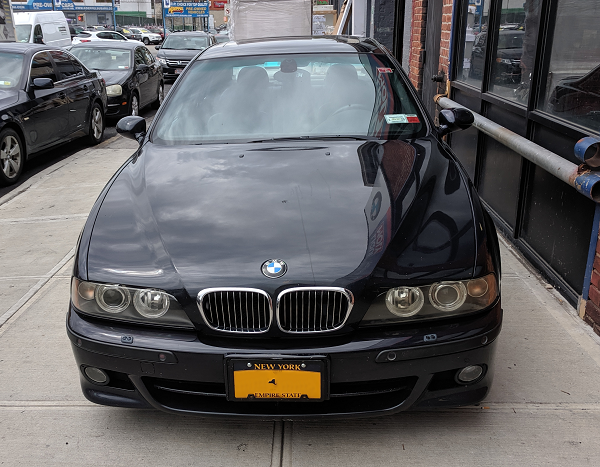

Many car guys and gals choose to drive BMW, Mercedes, Audi, and other European makes for their M cars, AMG, S-line high-performance models for the combination of technology, chassis tuning, and, of course, horsepower. Older performance cars can be had for a fraction of what they cost as new, and they still offer amazing acceleration, braking, and handling dynamics. All that performance comes at a cost, which was reflected in the price of the automobile when it was new. Now you have to ask yourself, “Why was I able to purchase this 2008 BMW M5 with a V10 engine and 500 horsepower for about 10 grand?” The answer would be along the lines of, “You’ll need to spend about another 10 to 15 grand to get the car sorted out.”
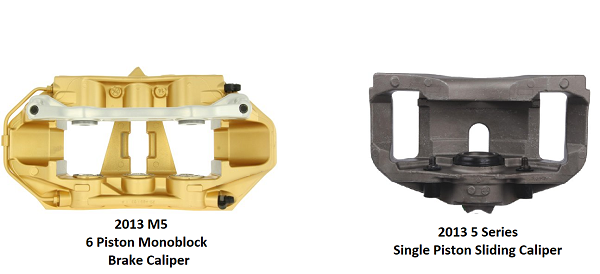
Top-of-the-line high-performance autos, including BMW models, tend to have more rigorous maintenance schedules than your average European automobile. After the car comes out of warranty, this rigorous maintenance schedule tends to be ignored. The repairs pile up, and then the car will get passed off to a new owner at a discount. Then the car gets passed around from owner to owner once the maintenance cost is deemed too high. Finally, it can be had for a steal except that it will need major maintenance that may double the purchase price once you consider the repair cost to get the car sorted out. Normal wear and tear items also have a higher maintenance cost, such as suspension and brakes. Standard models will have smaller brake rotors and simpler brake caliper designs with single or dual pistons. On a high-performance BMW M model, the brakes will have significantly larger rotors, and the calipers will be Brembo-style monoblocks with anywhere from 4 to 8 pistons. These brake components will also have a significantly higher cost than on a non-performance model. Oil changes can require special synthetic oil, which has to be specially ordered. Synthetic oil in a weight such as 10w-60 is not readily available at your auto parts stores, as very few high-performance engines require this oil; it is priced higher than common synthetics.
BMW M models also have M car-specific suspension components. Again, these suspension components are required for M-cars and are more expensive than the standard suspension components made for the lesser models. If the car does 0-60mph under 6 seconds, you can also expect it to have wider wheels and tires to put that power to the ground. The wider tires are going to be more expensive to replace than smaller, narrower tires. BMW M-cars also have alignment specs with more aggressive camber, which gives the car great handling, but also makes the car wear out tires faster. This is why top-of-the-line high-performance autos are more costly to maintain.
These high-horsepower cars, including BMW and other European makes, can be had for great deals, but you must really know what you are getting yourself into. Major maintenance services are well documented online, and it is your responsibility to do the research, as these problems are well documented on forums and videos. Also, buy a car with a detailed maintenance history so you know you aren’t getting yourself into a car that will need a ton of work. Lastly, a pre-purchase inspection is always necessary, as a well-sorted M-car with good documentation doesn’t tell you anything about worn components or if the car is leaking like a faucet underneath. All performance comes at a cost, and you have to ask yourself if you are willing to pay to play?

Leave a Reply